Live event

Interoperability for HEMS and FEID
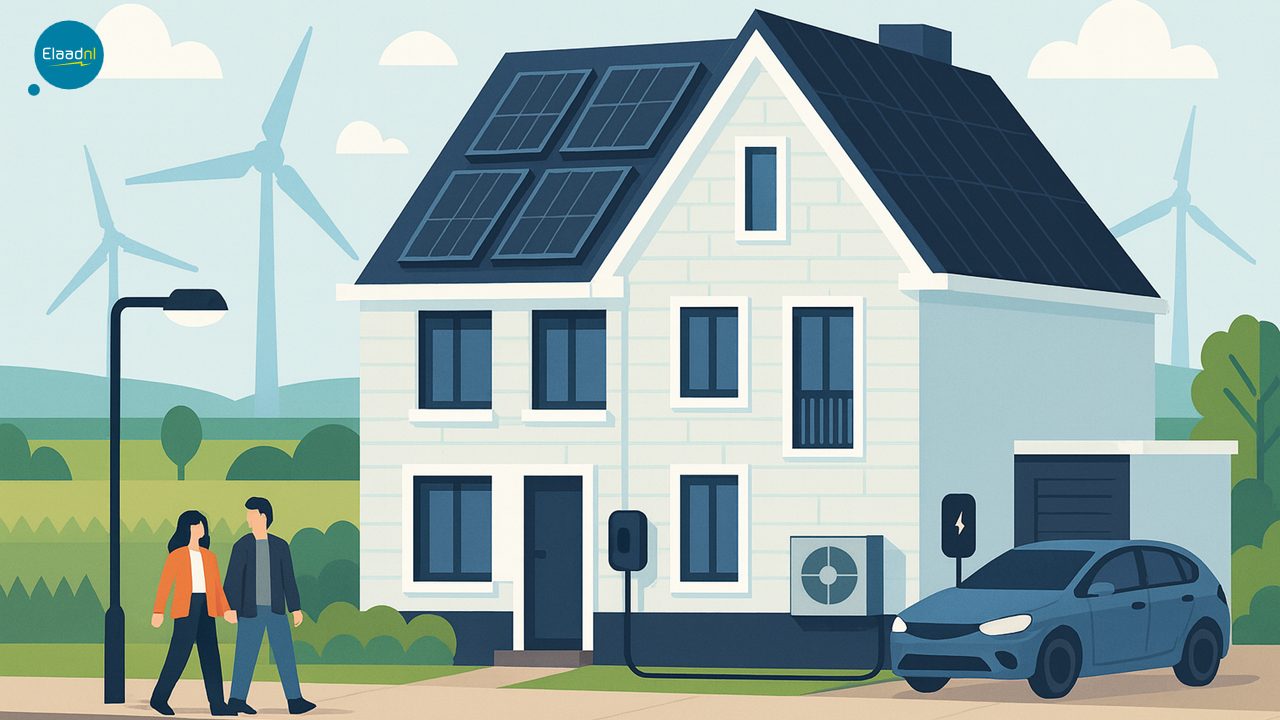
The Netherlands are in the midst of the energy transition which is, amongst others, characterised by a rapid growth of the number of electric vehicles, heat pumps, home batteries and solar inverters in private residences. These novel energy intensive devices (also known as Flexible Energy Intensive Devices, FEID) offers many possibilities to shift domestic loads, taking into account moments of high local (and sustainable) electricity production or lack thereof. By using FEIDs in a smart way, locally produced electricity can be used in the most efficient manner which reduces peak loads on the grid.
To benefit from the full potential of domestic flexibility, so called Home Energy Management Systems (HEMS) are needed. A HEMS is a physical ór virtual appliance to which all FEIDs can be connected. The HEMS coordinates and optimises the activity of the devices, in such a way that the power usage matches local production as well as the possibilities of the private grid connection. HEMS can also receive messages from outside parties, for instance about cheap tariffs.
A HEMS can make a smart schedule, based on both internal and external information, that will fill in the needs of the home. This will, in general, allow the residents to lower their energy bill.
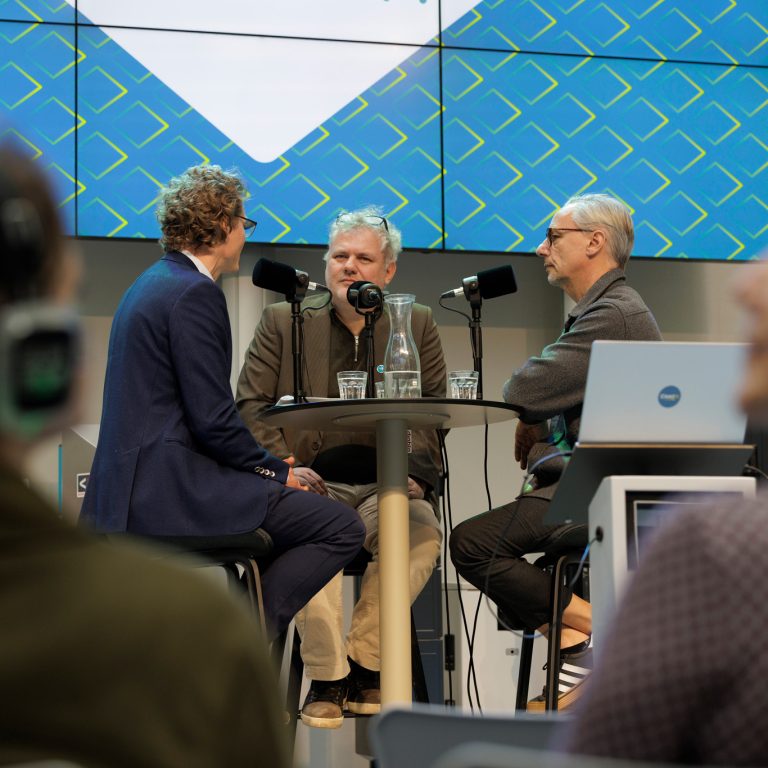
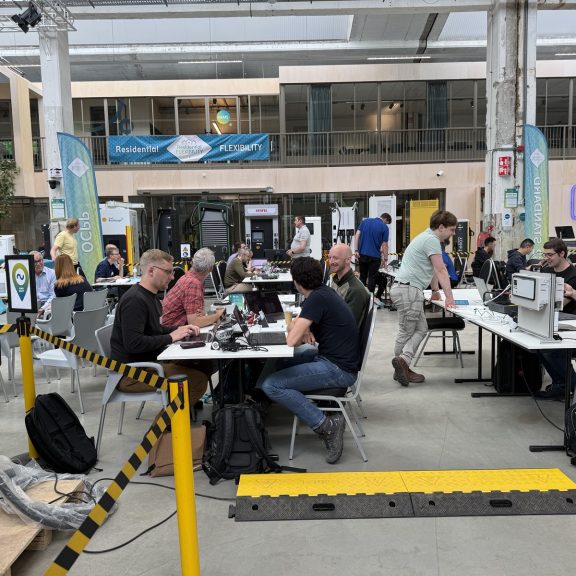
On November 25 & 26, 2026 we host a third testevent around this project.
Register here and join us!
A big obstacle in the current market for both FEIDS and HEMS is that there’s no standard way of working for the communication between devices and the HEMS. Besides that, there’s also no uniform manner in which a HEMS is connected to signals from outside the house. This is a limitation in the adoption possibilities. Just as is the case with Wi-Fi and Bluetooth, you would want to have every new device you buy to be connected to your existing HEMS immediately and in an plug-and-play manner. Because this is not the case yet, consumers can feel forced to purchase specific brands (vendor lock in) or be at risk for a suboptimal power usage within their home.
Without a standardised, uniform communication between FEID and HEMS, consumers lack opportunities to respond to incentives that are already available or due to be released, namely:
ElaadNL has set a goal to have a limited selection of already available protocols to be supported by all producers of FEID and HEMS. Once this is realised, all FEIDs and HEMS will be interoperable, enabling full flexibility for the end users.
After a thorough market study, ElaadNL selected four FEID protocols and one protocol for the HEMS. The selection consists of S2, Matter, EEbus en OCPP for the FEIDs and OpenADR to connect the HEMS to the outside world. With this selection, we make a clear choice for a limited (and as such manageable) number of protocols, which will benefit the adoption by the market. FEIDs can choose to incorporate only one of the four selected FEID protocols, but the HEMS will need to incorporate all four.
In order to stimulate the development of interoperable communication between FEIDs and HEMS, ElaadNl expands their proven concept of testivals for EVs and chargers to domestic FEIDs and HEMS. During each test event, the performance of hardware and software brought by participants can be tested against other market products. The aim is to have established a certification process for interoperable HEMS and FEIDs by the end of 2026.
Interoperability in Home Energy Management is part of the Dutch National Action Plan Grid Congestion.
The Ministry of Climate and Green Growth, the grid operators and the Dutch standardisation institute NEN are closely involved in the development.